


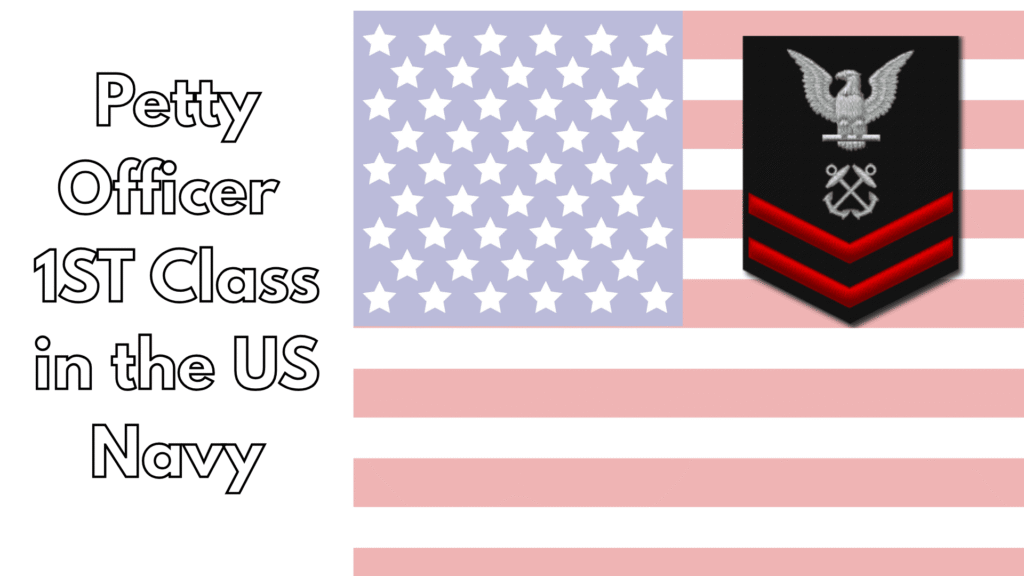
Introduction to the Petty Officer Ranks
In the U.S. Navy, the Petty Officer rank represents leadership, technical proficiency, and experience. The Petty Officer 1st Class is a senior enlisted rank, typically attained after years of service and demonstrating exceptional leadership and technical skills. It is a vital role within the Navy’s chain of command, where individuals are responsible for leading and mentoring junior sailors, as well as ensuring the smooth operation of daily activities.
While a Petty Officer 1st Class has earned significant respect, they still fall below the Chief Petty Officer in the Navy rank structure. However, their position provides the necessary experience to advance to the Chief level, should they choose to pursue that path.
How to Become a Petty Officer 1st Class
Becoming a Petty Officer 1st Class requires time, commitment, and demonstrated ability. Typically, it follows a structured process:
- Promotion Process: A sailor must first achieve the rank of Petty Officer 3rd Class and then Petty Officer 2nd Class before being considered for promotion to 1st Class. This typically requires passing performance evaluations, completing specific qualifications, and demonstrating leadership capabilities.
- Experience: Most sailors require several years of experience in their specialty, during which they gain technical expertise and leadership skills.
- Training: Petty Officers attend Navy-specific training programs designed to enhance their professional development, such as leadership courses and advanced technical training related to their area of expertise.
Petty Officer 1st Class Responsibilities
A Petty Officer 1st Class is expected to perform various essential tasks, such as:
- Supervisory Leadership: They are responsible for managing a team of sailors, training them on their technical duties, and ensuring that all tasks are performed efficiently.
- Operational Efficiency: Petty Officers 1st Class oversee the day-to-day operations of their departments, contributing to the Navy’s readiness by maintaining equipment and ensuring that procedures are followed.
- Mentorship: As senior enlisted personnel, they serve as mentors to junior sailors, offering advice, guidance, and helping to shape the next generation of Navy personnel.
The role is crucial for maintaining the overall effectiveness of Navy operations. Petty Officers are often seen as the bridge between junior sailors and higher-ranking officers.
Career Advancement and Benefits
After achieving the rank of Petty Officer 1st Class, sailors have numerous opportunities to advance within the Navy. The next step is typically Chief Petty Officer. This rank brings additional responsibilities and leadership roles, but it also requires further dedication and advanced leadership skills.
Salary and Benefits: A Petty Officer 1st Class earns a competitive salary, with additional allowances for things like housing, food, and special duty assignments. Benefits also include access to military healthcare, retirement plans, and education assistance programs.
Frequently Asked Questions (FAQ)
What is a Petty Officer 1st Class in the US Navy?
A Petty Officer 1st Class is a senior enlisted rank in the U.S. Navy, with responsibilities including leadership, training, and management of junior sailors.
How do you become a Petty Officer 1st Class in the US Navy?
To become a Petty Officer 1st Class, sailors must progress through the ranks of Petty Officer 3rd Class and Petty Officer 2nd Class, gaining experience and leadership skills before being considered for promotion.
What are the duties of a Petty Officer 1st Class?
Their duties include overseeing daily operations, managing teams, mentoring junior sailors, and ensuring that Navy procedures are followed correctly.
How much does a Petty Officer 1st Class earn in the Navy?
The salary for a Petty Officer 1st Class depends on experience and length of service but is competitive with allowances for housing, food, and special duty.
What is the next rank after Petty Officer 1st Class?
The next rank is Chief Petty Officer, a position that involves even greater responsibilities and leadership duties.
Leave a Comment