


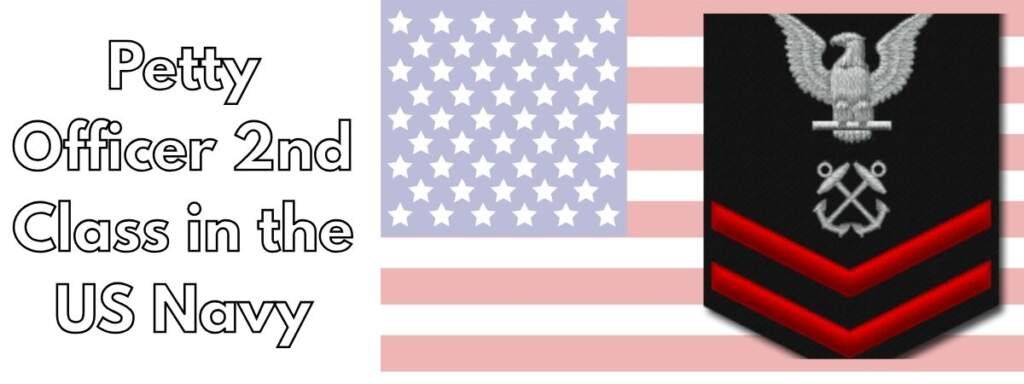
Introduction: What is a 2nd Class Petty Officer in the US Navy?
A 2nd Class Petty Officer (E-5) in the United States Navy is a highly skilled and experienced non-commissioned officer who plays a crucial role in managing junior sailors and ensuring the smooth functioning of Navy operations. Serving as a leader and mentor, a 2nd Class Petty Officer has advanced beyond the rank of Seaman and is responsible for both technical tasks and leadership duties.
In this article, we will dive deep into the responsibilities, qualifications, career path, and benefits of being a 2nd Class Petty Officer in the US Navy.
Understanding the Rank of 2nd Class Petty Officer (E-5)
What Does the Rank of 2nd Class Petty Officer Entail?
The 2nd Class Petty Officer is the third enlisted rank in the US Navy, sitting between Petty Officer 3rd Class (E-4) and Petty Officer 1st Class (E-6). This rank signifies a sailor’s ability to lead and supervise others, ensuring the Navy’s mission is met efficiently and effectively.
At this level, the 2nd Class Petty Officer takes on more leadership responsibilities and is expected to train and guide lower-ranking sailors. They act as the bridge between the enlisted personnel and higher-ranking officers.
Roles and Responsibilities of a 2nd Class Petty Officer
- Leadership and Mentorship: As a 2nd Class Petty Officer, one of the key responsibilities is leading a team of sailors and ensuring that they are trained and well-prepared for their duties.
- Technical Expertise: A 2nd Class Petty Officer is highly proficient in their specific field and is expected to be an expert in their area of service.
- Supervision and Management: They are tasked with supervising junior sailors, ensuring they adhere to Navy standards, and helping them improve their performance.
- Problem-Solving: This role involves solving complex problems, especially in high-pressure situations, and taking proactive steps to keep operations running smoothly.
How to Become a 2nd Class Petty Officer in the US Navy
Basic Qualifications and Requirements
To advance to the rank of 2nd Class Petty Officer, sailors must meet specific eligibility criteria:
- Time in Service: Sailors generally need to serve for at least three years in the Navy before they can be considered for promotion to E-5.
- Time in Grade: You must have served a certain amount of time at the rank of Petty Officer 3rd Class.
- Examinations and Testing: Sailors must pass written exams that test their knowledge of Navy operations, technical skills, and leadership abilities.
- Physical Fitness: Maintaining physical readiness is essential, as the Navy requires sailors to pass physical fitness tests regularly.
Demonstrated Leadership Skills: Being a 2nd Class Petty Officer requires more than technical ability. Leadership and the ability to manage teams are crucial for promotion.
The Advancement Process
The process to become a 2nd Class Petty Officer involves a combination of time, experience, and performance. Here’s a brief outline of the steps:
- Complete Required Training: Enlisted sailors must attend specialized training courses related to their job.
- Obtain High Marks on Advancement Exams: Sailors must score well on the written advancement exam for E-5.
Demonstrate Exceptional Leadership and Job Performance: Commanding officers review sailors’ performance and leadership abilities, which play a key role in advancement.
The Importance of 2nd Class Petty Officers in the US Navy
Essential for Mission Success
The role of a 2nd Class Petty Officer is critical to the success of Navy missions. They are often the first line of leadership for lower-ranking sailors and ensure that each team member is trained, focused, and prepared for duty.
Without strong leadership at the Petty Officer level, it would be much harder for the Navy to maintain its high standards of readiness and efficiency.
Bridge Between Enlisted Sailors and Officers
The 2nd Class Petty Officer acts as the key link between junior enlisted sailors and the senior enlisted leadership. This role is essential for translating higher command orders into actionable steps for junior sailors.
Career Progression and Benefits of Being a 2nd Class Petty Officer
Opportunities for Career Advancement
Becoming a 2nd Class Petty Officer opens the door to future promotions within the Navy. Successful Petty Officers can advance to the rank of 1st Class Petty Officer (E-6) and beyond, gaining more responsibility, higher pay, and broader leadership opportunities.
Compensation and Benefits
- Base Pay: As a 2nd Class Petty Officer, sailors receive a competitive salary based on their time in service, location, and specific duties.
- Healthcare: Comprehensive healthcare for sailors and their families is one of the many benefits that come with military service.
- Retirement: The US Navy offers generous retirement plans, which provide financial security after completing a full career in service.
- Other Benefits: Additional benefits include housing allowances, education assistance, and access to on-base resources like fitness centers and recreational activities.
Personal Growth and Leadership Skills
Serving as a 2nd Class Petty Officer can help develop crucial leadership, communication, and problem-solving skills, which can benefit both in and out of the military.
Conclusion: The Path to Becoming a 2nd Class Petty Officer in the US Navy
The position of 2nd Class Petty Officer is a prestigious role in the US Navy, requiring both technical expertise and leadership capabilities. As a 2nd Class Petty Officer, sailors are expected to lead teams, manage operations, and play a pivotal role in ensuring the Navy’s success in fulfilling its missions. The career path provides ample opportunities for professional growth and personal development, and with hard work and dedication, sailors can continue advancing through the ranks.
For U.S. Navy Hospital Corpsman looking to rise through the ranks, becoming a 2nd Class Petty Officer can significantly enhance leadership roles and open doors to greater responsibilities in medical and operational settings. Understanding the requirements, responsibilities, and benefits of this role can help sailors better prepare themselves for their journey to becoming a 2nd Class Petty Officer in the US Navy.
For more tips on career development, Navy life, and advancing through the ranks, visit MyHealthBowl.com
Leave a Comment